
At IBM Federal, I became the go-to designer for translating complex, high-stakes systems into experiences that feel clear, usable, and human. As the sole designer across these initiatives, I owned the experience from platform foundation to product delivery—leading design across brand, product, and AI-driven interactions and shaping how modern federal platforms are experienced by thousands of users.
Nucleus is the experience layer for IBM Federal’s AI and data ecosystem—where users interact with tools, workflows, and intelligence. I led the visual identity and design direction, translating an abstract platform into a cohesive, product-ready system. The work focused on creating clarity at scale, ensuring that complex capabilities could be accessed through interfaces that feel intuitive, structured, and consistent across applications.
ATOM is the underlying platform that powers Nucleus, enabling secure, scalable delivery of AI, data, and automation across federal environments. My role centered on shaping how this infrastructure is expressed through design—bridging deeply technical capabilities with a clear and unified system language that could support multiple products and use cases.
Overview
Nucleus
ATOM
Nucleus + ATOM
Together, Nucleus and ATOM form a unified platform where infrastructure and experience work as one—ATOM powers the system, and Nucleus brings it to life through human-centered design.
Platform Overview

My Role
Designing Nucleus and ATOM meant working beyond individual screens—I was shaping how an entire system behaves, communicates, and scales across products. As the sole designer across the platform, I led end-to-end design, translating complex infrastructure and AI capabilities into interfaces that feel clear, structured, and usable in real-world contexts.
Establishing the Visual Foundation
I began by defining the visual identity for IBM ATOM, establishing a design language that reflects both technological sophistication and trust. As the sole designer driving the foundation of the platform, I created a system that evokes a modern, AI-driven aesthetic while grounding it in clarity, stability, and credibility—balancing innovation with the expectations of federal environments.
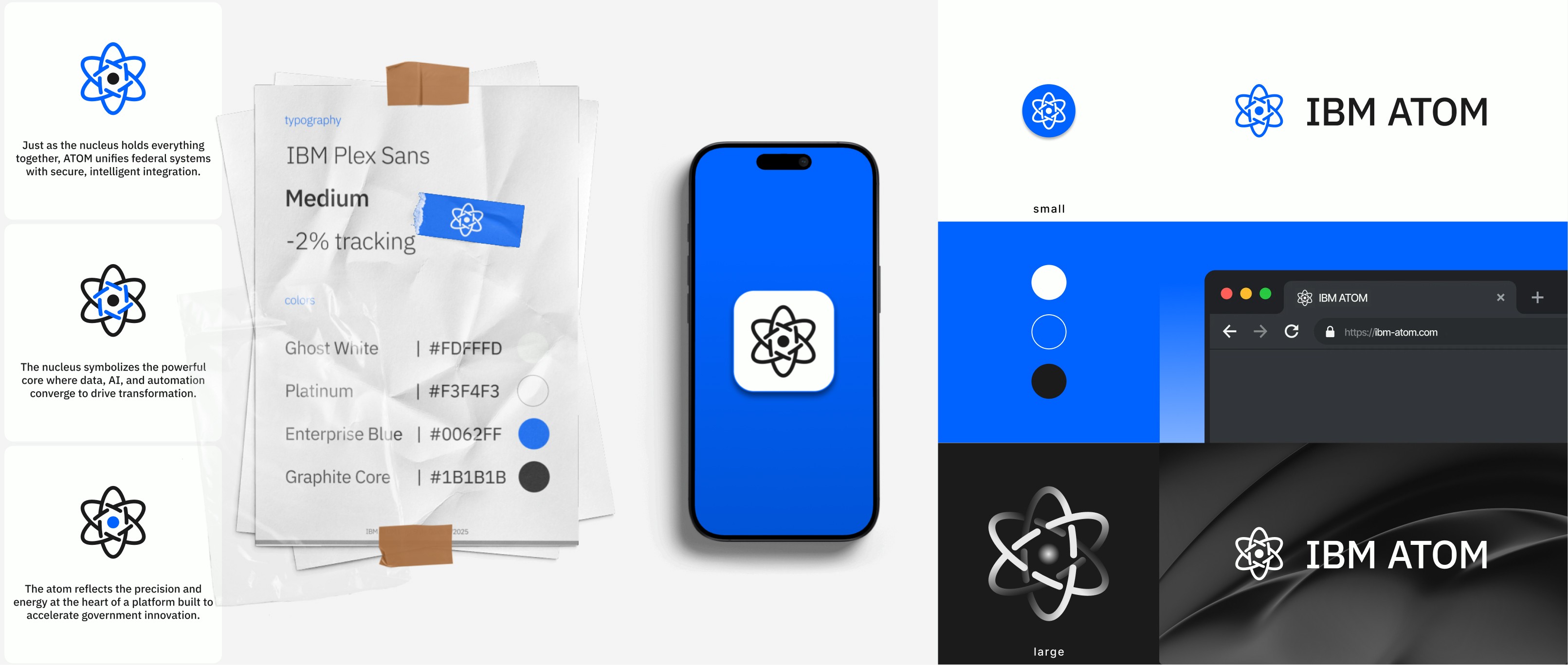
The following screens show how these systems come to life—where platform, intelligence, and design converge into real-world experiences.
Master Chat Assistant Tool (M-CAT)
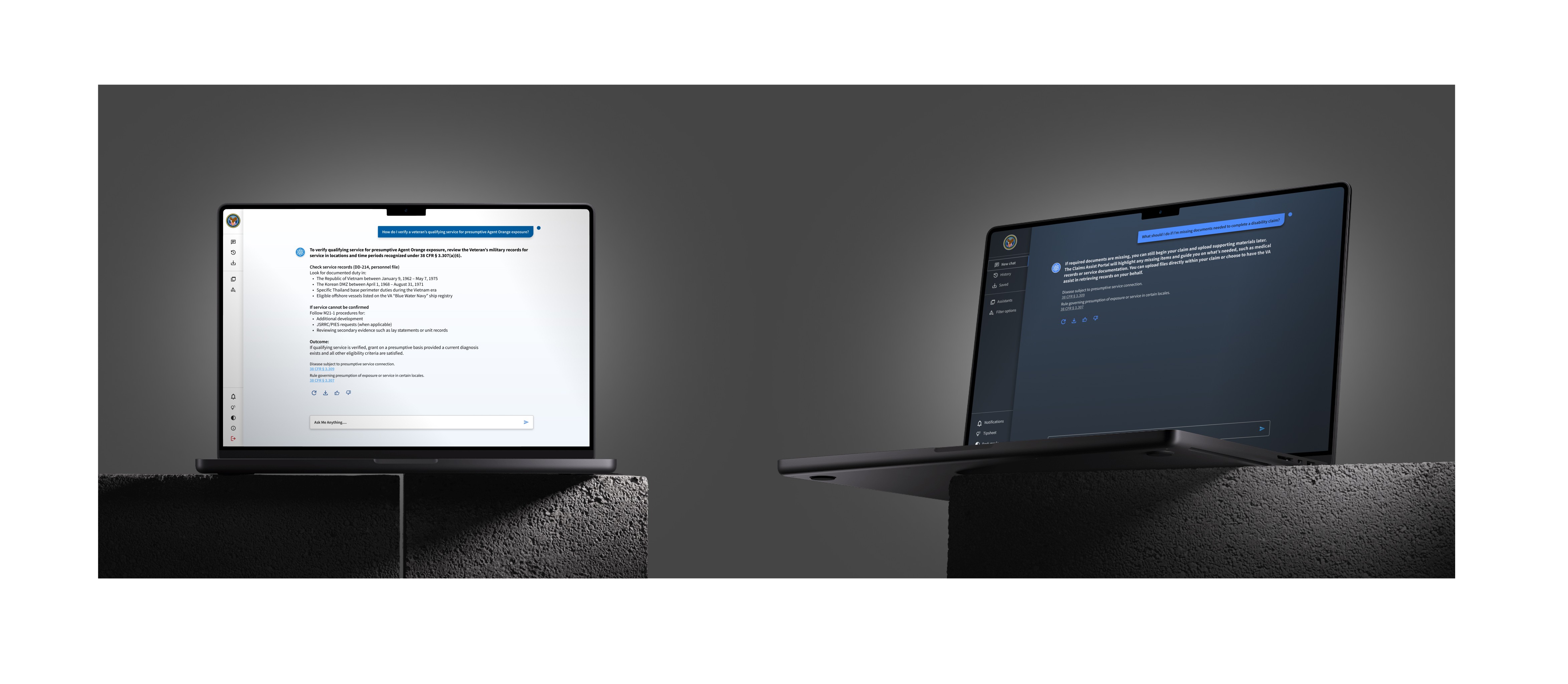
M-CAT is an AI-powered assistant designed to help VA employees quickly access and interpret complex policy and claims information. I led the UX/UI design, defining the interaction model between users and an agentic AI system—focusing on clarity, structure, and trust. The product was successfully launched to an initial user base of approximately 9,000 claims processors and benefits managers. By transforming how users search and retrieve policy guidance, M-CAT reduced manual lookup times from 8–10 minutes to as little as 10–30 seconds, significantly improving efficiency in high-volume, decision-critical workflows.
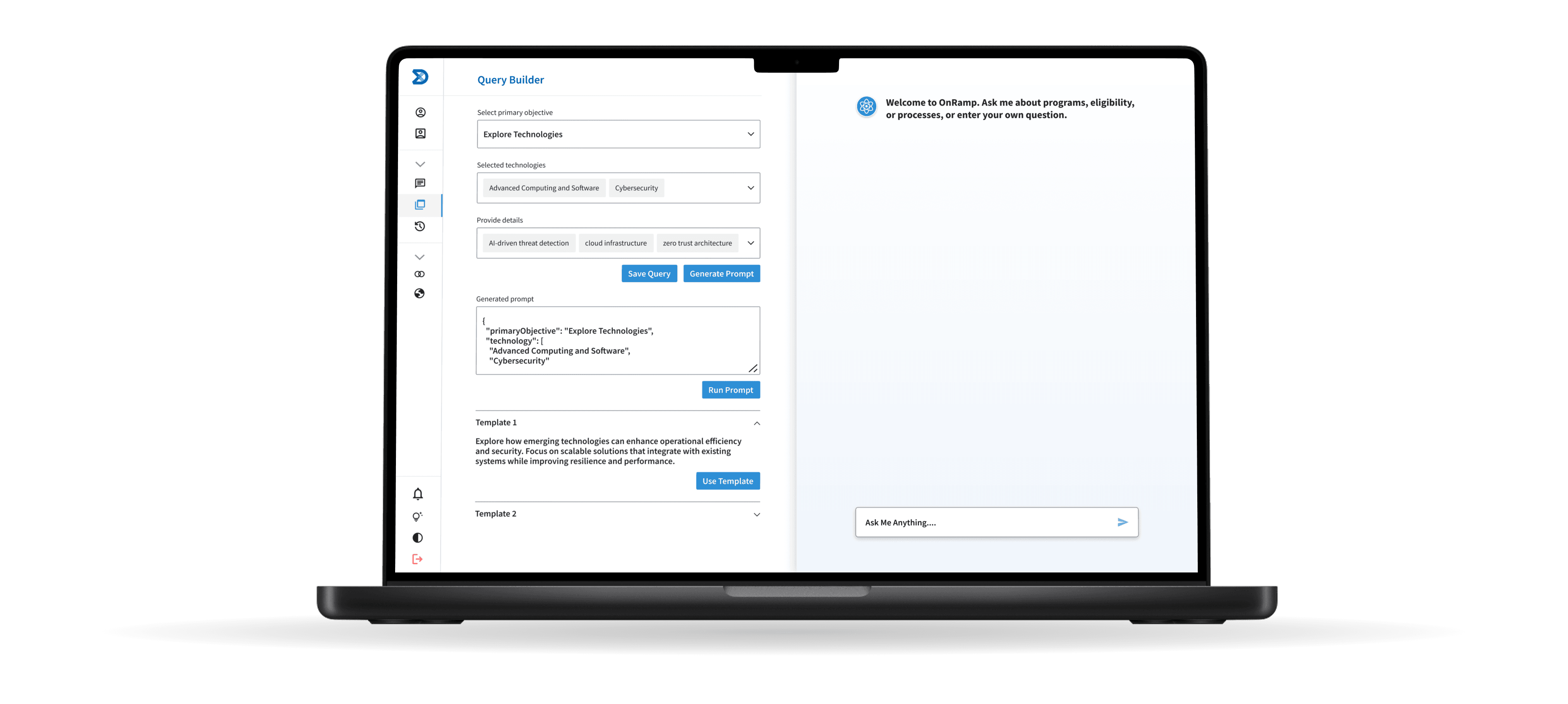
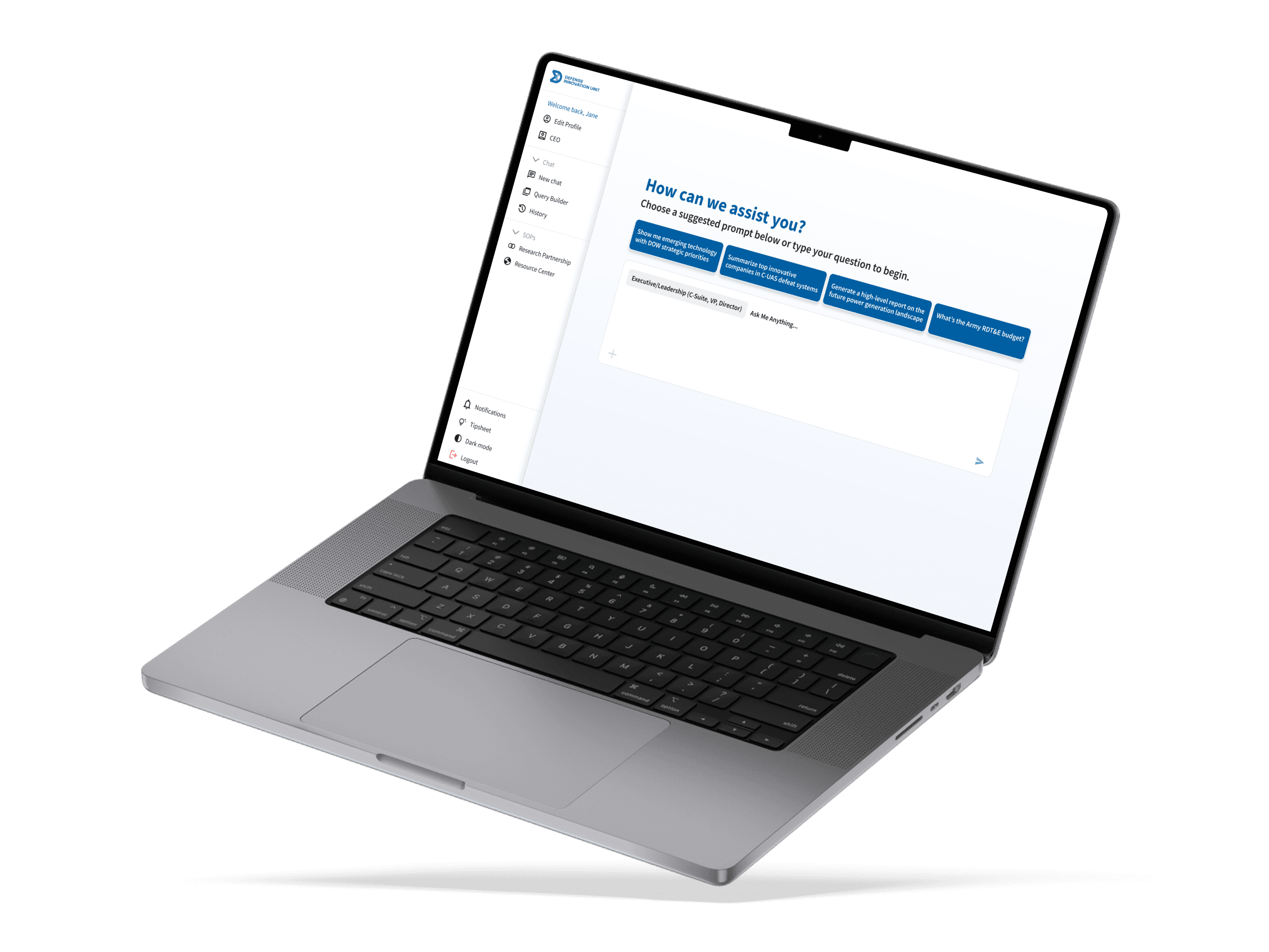
Digital OnRamp (DIU/DoD)
Centralized Upload Portal (CUP)
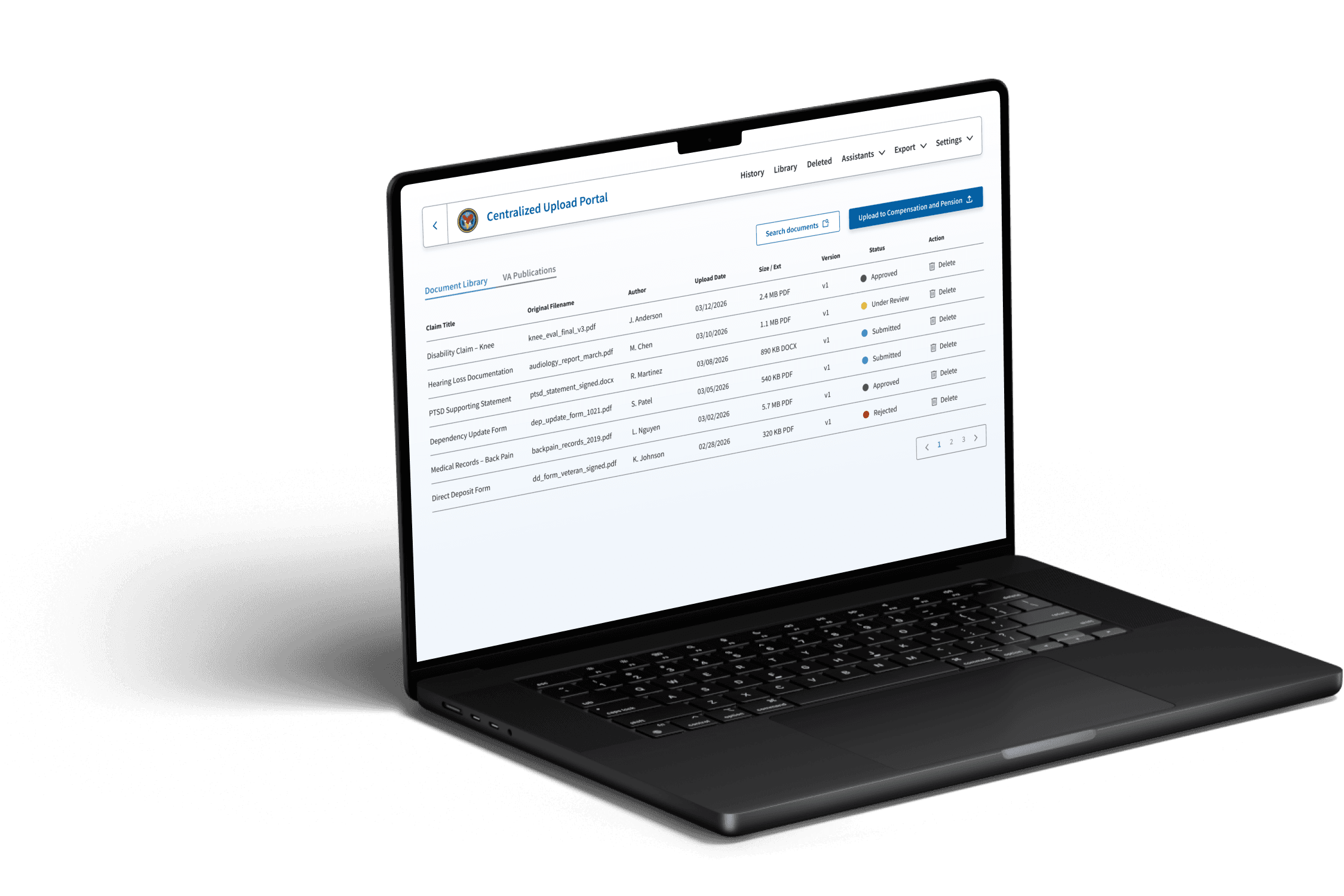
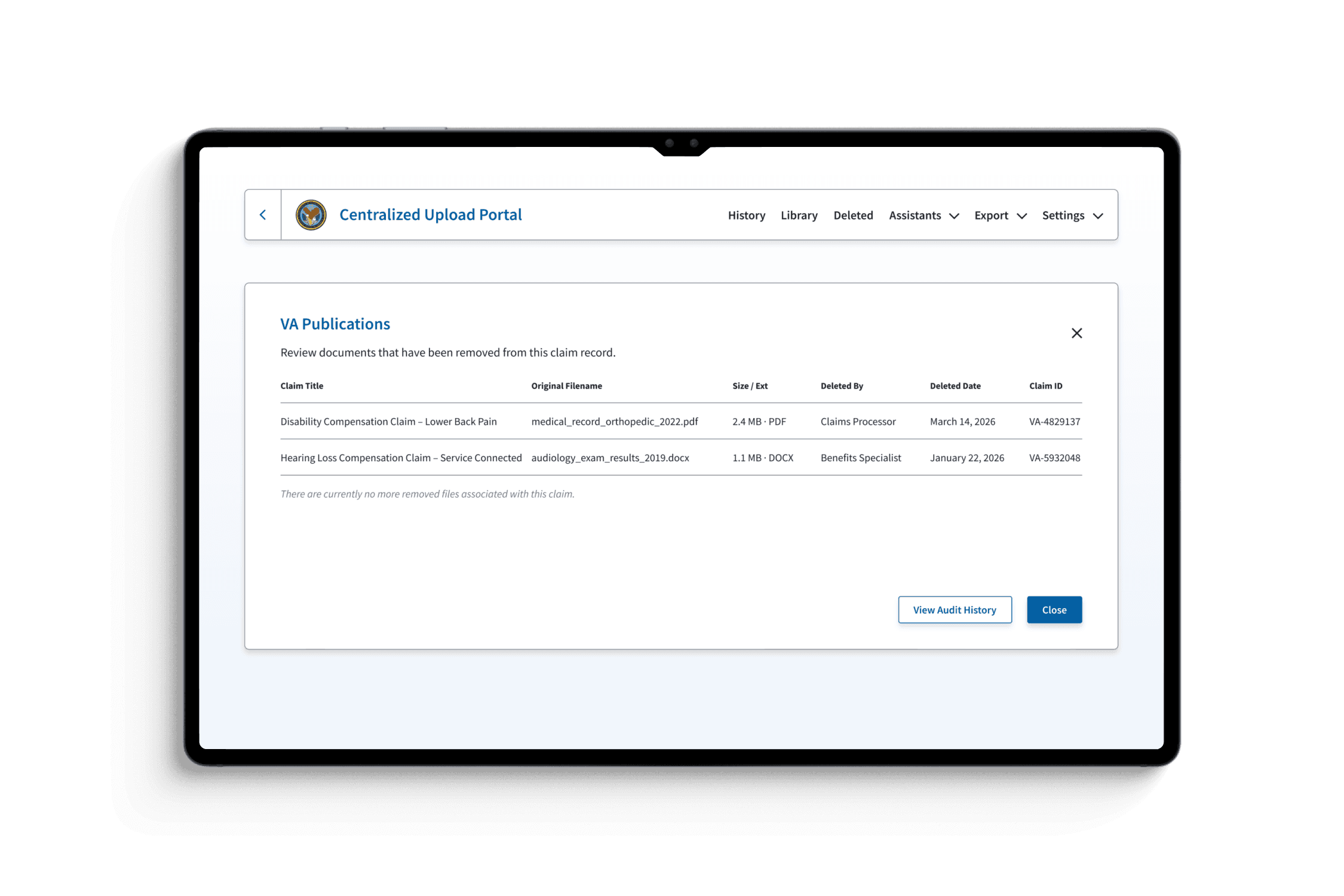
The Centralized Upload Portal (CUP) is designed to streamline how veterans and internal users submit supporting documents for claims and benefits. I led the UX/UI design, building the experience on top of a design system I developed in Figma specifically for VA products—ensuring consistency, accessibility (Section 508), and scalability across workflows. The application was implemented in React, requiring close collaboration with engineers to translate design patterns into reusable, production-ready components. While CUP has not yet shipped, it is actively in development and is expected to launch later this year.
Impact
Designed experiences used by thousands of federal users
Supported systems processing tens of thousands of real-world submissions
Reduced critical workflows from minutes to seconds through AI interaction design
Established a scalable design foundation across multiple IBM Federal platforms
This work reflects a broader shift—from designing individual interfaces to shaping how AI systems operate, communicate, and scale in real-world environments.
Next Project →
Home

© 2025 All rights reserved
Sites
Work
Profile
Archive
Contact
Substack